
Carpet Buying Guide
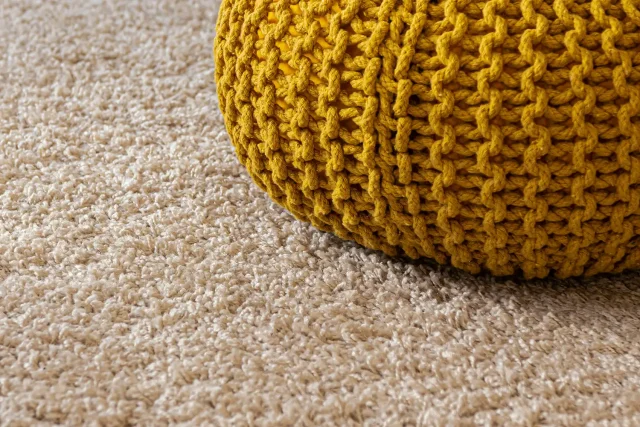 Buying new carpet is one of the more significant investments you’ll make in your home. Get it right and you’ll enjoy it for 15 or 20 years. Get it wrong and you’ll be replacing it sooner than you planned. There’s more to consider than most people realise, from understanding how carpet is measured and priced through to choosing the right fibre, density, and underlay for your home and how you actually use it. Carpet also has a lot going for it as a flooring choice, and if you want to understand why carpet works so well in Northland homes, we’ve covered that in detail separately.
We put this guide together because the questions that come up during a consultation are usually the same ones. People want to know what they’re actually paying for, what will hold up in a busy household, and where it’s worth spending a bit more versus where you can save without noticing the difference. If something in here prompts a question, we’re happy to talk it through. Our mobile showroom comes to your home so you can see how different options look in your own lighting and alongside your existing furniture before making any decisions.
Understanding Carpet Quotes
Carpet is sold by the lineal metre, which is one metre in length by the full width of the roll. Most carpet rolls are 3.66 metres wide, though some come in 4 metre widths. It’s important to understand this when comparing quotes, as the price per lineal metre will look different from a price per square metre.
As a general guide, a typical three-bedroom home with a lounge and hallway will require somewhere between 18 and 22 lineal metres, which works out to roughly 65 to 75 square metres of carpet. This varies depending on room shapes and how efficiently the carpet can be cut with minimal waste. Precise measurement is one of the reasons it’s worth using a professional. Accurate room measurements are taken before ordering, which minimises waste and keeps your costs down.
Carpet Styles: Cut Pile vs Loop Pile
The two most common carpet styles are cut pile and loop pile, and both have their strengths depending on where they’ll be used and how much foot traffic they need to handle.
Cut Pile
Cut pile carpets have fibres that are sheared at the top, creating a soft, open surface. They tend to feel luxurious underfoot and come in a wide range of textures from smooth saxony styles to more casual, textured looks. Cut pile is popular in bedrooms and living rooms where comfort is a priority. The main consideration is that the fibres can show footprints and vacuum tracks, particularly in plainer colours.
Loop Pile
Loop pile carpets are made from uncut loops of yarn, which makes them very durable and resistant to crushing. They’re a practical choice for hallways, stairs, and high-traffic areas. Berber-style loop pile carpets are a popular option in rental properties and busy family homes because they stand up well to heavy use. Some loop pile styles can snag if a pet has sharp claws, so it’s worth raising this during your consultation.
Choosing the Right Carpet Fibre
Fibre choice has a direct impact on how your carpet looks, feels, and holds up over time. We recommend choosing carpets that are a 100% single fibre blend rather than a mix of fibres. Blended fibre carpets are often cheaper upfront, but they tend to wear unevenly and don’t hold their appearance as long. The main fibre types you’ll come across are outlined below, each with different strengths depending on your budget and how the room will be used.
Solution Dyed Nylon (SDN)
One of the most durable and stain-resistant options available. The colour is locked into the fibre during manufacturing rather than applied on the surface, which means it holds up exceptionally well in busy households and doesn’t fade the way surface-dyed alternatives can. A strong all-round choice for most rooms in a family home.
Wool
A premium natural fibre that feels exceptional underfoot and is naturally resilient and flame-resistant. Wool carpets are an investment, but they reward you with longevity and a look that holds up beautifully over years of use. Well suited to Northland homes where comfort and quality matter, and they perform particularly well in living areas and bedrooms.
Polyester
Soft and available in vibrant colours, polyester carpet offers good value for money and performs well in lower-traffic rooms. It’s not as resilient as nylon under heavy use, but it’s a solid choice for bedrooms and formal living areas where foot traffic is lighter.
Triexta
A newer fibre that combines the softness of polyester with improved durability. It also has strong built-in stain resistance, making it a popular option for households with children or pets. It sits in a useful middle ground between polyester and nylon for those who want comfort without compromising too much on resilience.
Polypropylene
The most budget-friendly option and highly resistant to moisture and mildew, which makes it a practical choice for garages and utility areas. Less resilient than nylon or wool in residential living spaces, so it’s best considered for areas where durability under foot traffic isn’t the main concern.
Carpet Density: What the Numbers Mean
Density refers to how closely the fibres are packed together, and it’s one of the most reliable indicators of carpet quality and durability. The denser the carpet, the better it will hold its shape and resist the kind of crushing and tracking that makes carpet look old before its time.
Carpet density is measured in ounces per square yard, ranging from around 24 oz at the lower end up to 72 oz for heavy-duty options. For most residential applications in Whangarei, we recommend aiming for a density of between 28 and 48 ounces. This range offers a good balance between comfort, durability, and cost. If you’re carpeting a heavily used area like a hallway or family room, leaning towards the higher end of that range is a smart move.
Choosing a Carpet Colour
Colour is largely personal, and there’s no right or wrong answer. That said, a few practical things are worth keeping in mind before you commit. Neutral tones like grey, beige, and warm brown remain consistently popular because they’re versatile and tend to age well as decor trends shift. They also give you more flexibility when it comes to furniture and soft furnishings down the track.
Whatever colour you’re considering, always compare samples in your own home rather than in a showroom. Lighting has an enormous effect on how carpet colours read, and what looks one way under fluorescent lighting can look quite different in natural light or beside your existing furniture. Carpet will also always read slightly lighter in full size than it does in a small sample, which catches a lot of people off guard, so factor that in when you’re deciding.
For homes with children, pets, or rental properties, mid to darker tones are a practical choice because they’re more forgiving of everyday marks and are less prone to visible fading in sunny rooms. That said, darker carpets do show fluff, crumbs, and light debris more readily, so they require more consistent vacuuming to stay looking sharp.
Don’t Underestimate Your Underlay
Underlay is one of those things that tends to get skipped over in the excitement of choosing carpet, but it genuinely matters. A quality underlay extends the life of your carpet, adds warmth and insulation underfoot, and significantly reduces noise transfer between floors.
Underlay is measured in two ways: thickness (usually between 9mm and 12mm) and density (75 kg/m3 through to 130 kg/m3). The standard option is 10mm at 90 kg/m3, but we recommend upgrading to at least 11mm at 110 kg/m3 if budget allows. The difference in comfort is noticeable underfoot, and the extra density helps your carpet hold its shape and appearance for longer.
In Whangarei’s climate, good underlay also adds meaningful insulation to tiled or concrete subfloors, which can feel cold and damp during winter months. It’s an investment that pays for itself in comfort and carpet longevity.
Carpet Ratings: What to Look For
When assessing carpet quality, the Australian Carpet Classification Scheme (ACCS) rating system is the most reliable benchmark available in New Zealand. We recommend choosing a carpet with a 6-star rating for Residential Extra Heavy Use. This rating means the carpet has been tested and proven to perform in the most demanding home environments, including families with children, pets, and high daily foot traffic.
If budget is a consideration, a 5-star Residential Heavy Use rating is still a solid choice for most rooms. Where the 6-star rating really earns its place is in hallways, stairs, and family living areas where the carpet takes the most punishment.
Carpet Care and Maintenance
Even the best carpet will show wear over time, but regular care makes an enormous difference to how long it stays looking good. Regular vacuuming is the single most effective thing you can do. For high-traffic areas, vacuuming two or three times a week is worthwhile. In lower-traffic rooms, once a week is usually sufficient.
Beyond vacuuming, we recommend professional cleaning or steam cleaning at least once a year. This removes the embedded dirt and grime that regular vacuuming can’t reach, and it helps restore the carpet’s texture and appearance. Always follow the cleaning guidelines from your carpet’s manufacturer, as some fibres have specific care requirements.
Installation Tips to Know Before the Day
A little preparation goes a long way on installation day. Here are the key things to keep in mind:
- Doors may need to be trimmed if the new carpet and underlay combination is thicker than what was there before. This will be flagged during the consultation if it’s likely to be an issue.
- The timber tack strips (also called smoothedge) around the perimeter of the room are reused where possible. This saves cost and is standard practice unless they’ve been damaged.
- If you’ve recently painted, allow the paint to fully cure before installation. Fresh paint and carpet installation don’t mix well.
- You don’t need to be home during installation, and it’s often easier for the work to proceed if you’re not. You’ll just need to ensure someone is contactable, that access is arranged, and that rooms are cleared and ready.
- Make sure there’s power, water, and bathroom access available for the installer.
- Keep children and pets out of the work area for safety during installation.
Talk to Us Before You Buy
If you’re ready to move forward or simply want to talk through your options without any pressure, get in touch with Northland Carpets. We offer a free in-home consultation, bring carpet samples to you, and can provide a detailed quote on the spot. Northland Carpets services Whangarei and the wider Northland region from Wellsford to Kerikeri.
Once you’ve chosen your carpet, our installation process takes care of everything from subfloor preparation through to the final tidy-up, so you know exactly what to expect on the day.


